


Backed by us. Trusted by you.
Victory isn't given. It's earned.
We build our own instruments and carry the pro audio and video brands we trust, for everyone from first-timers to working pros, from your garage to the big stage. Started in 2017.
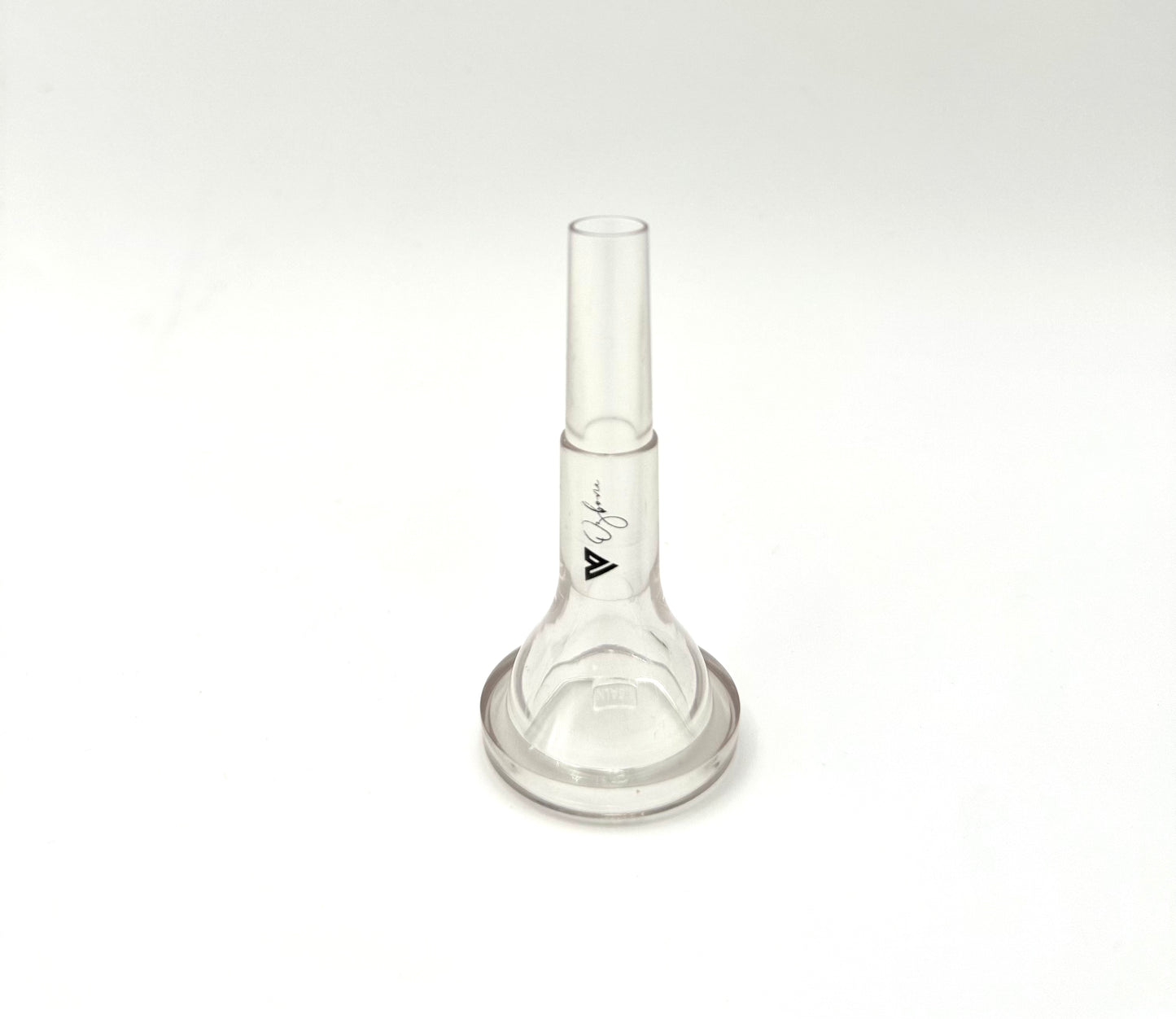
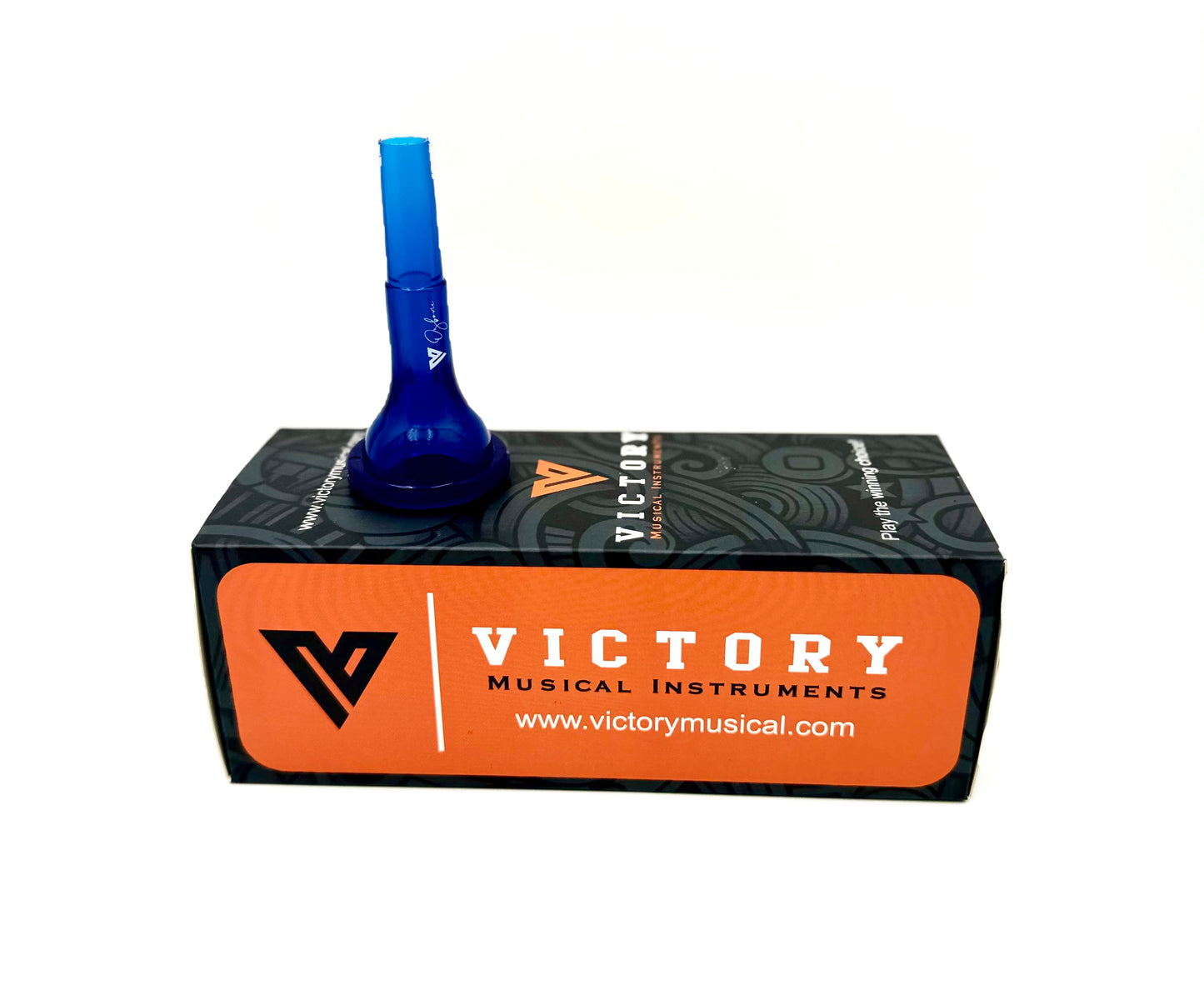
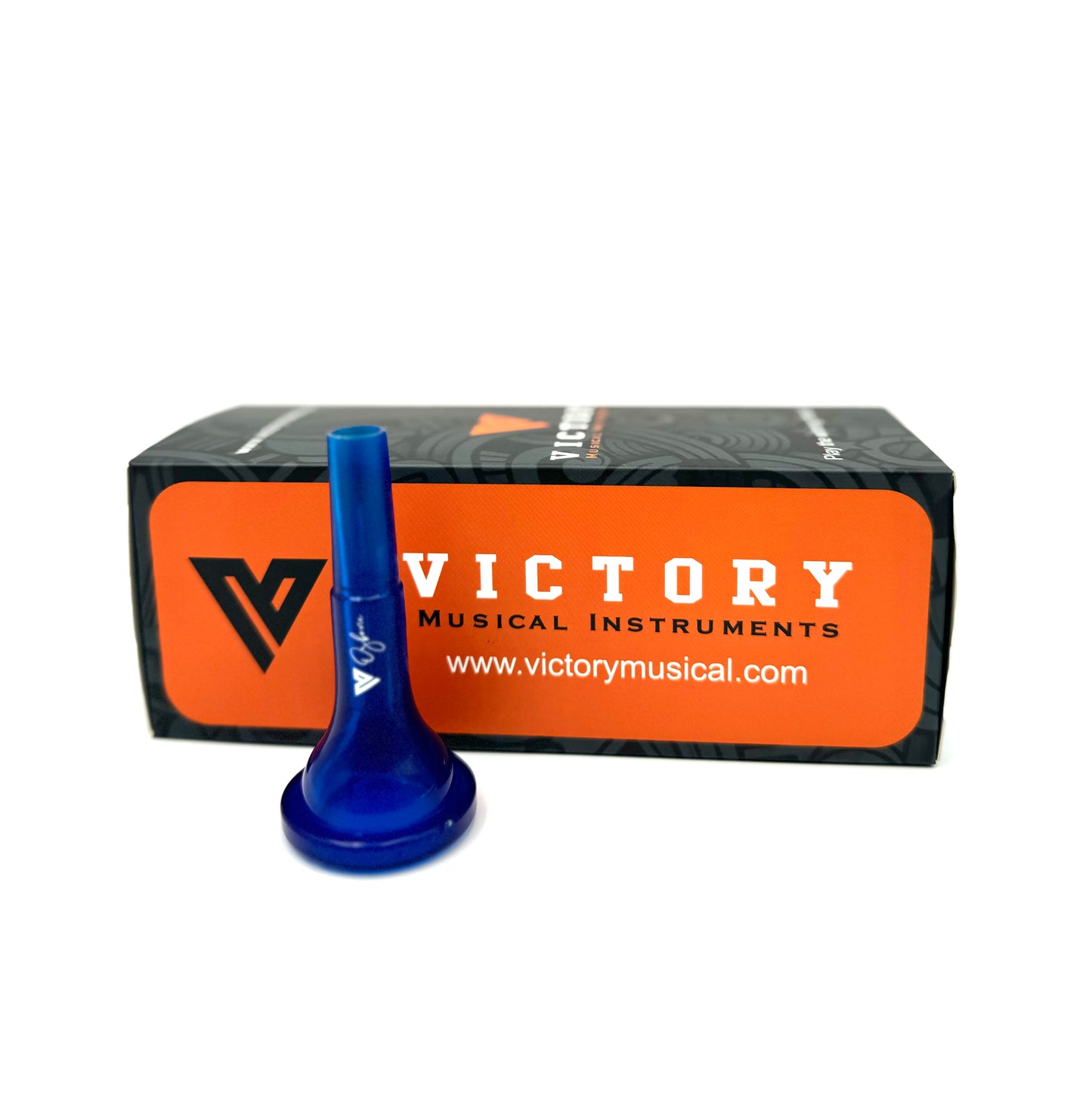
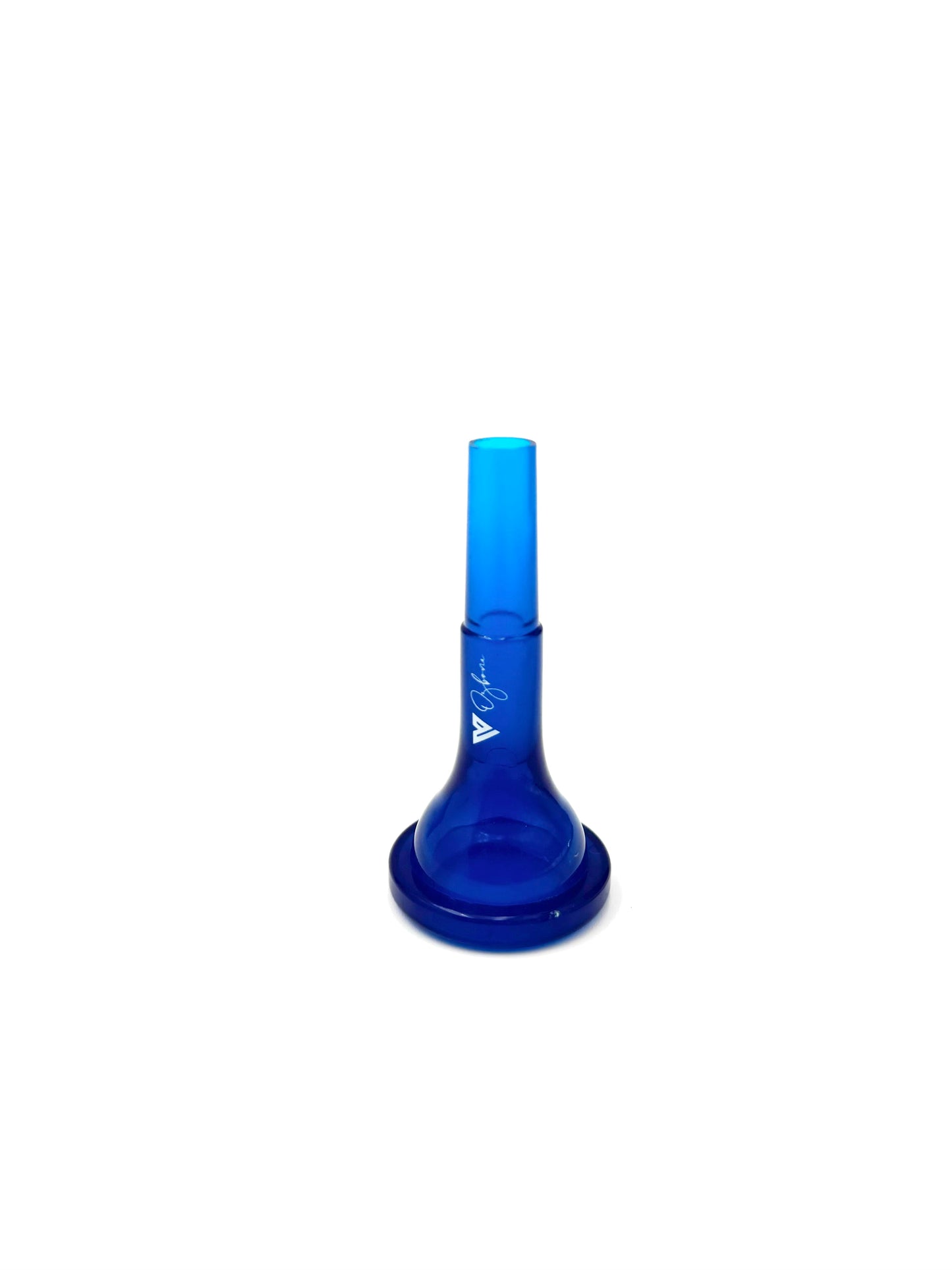
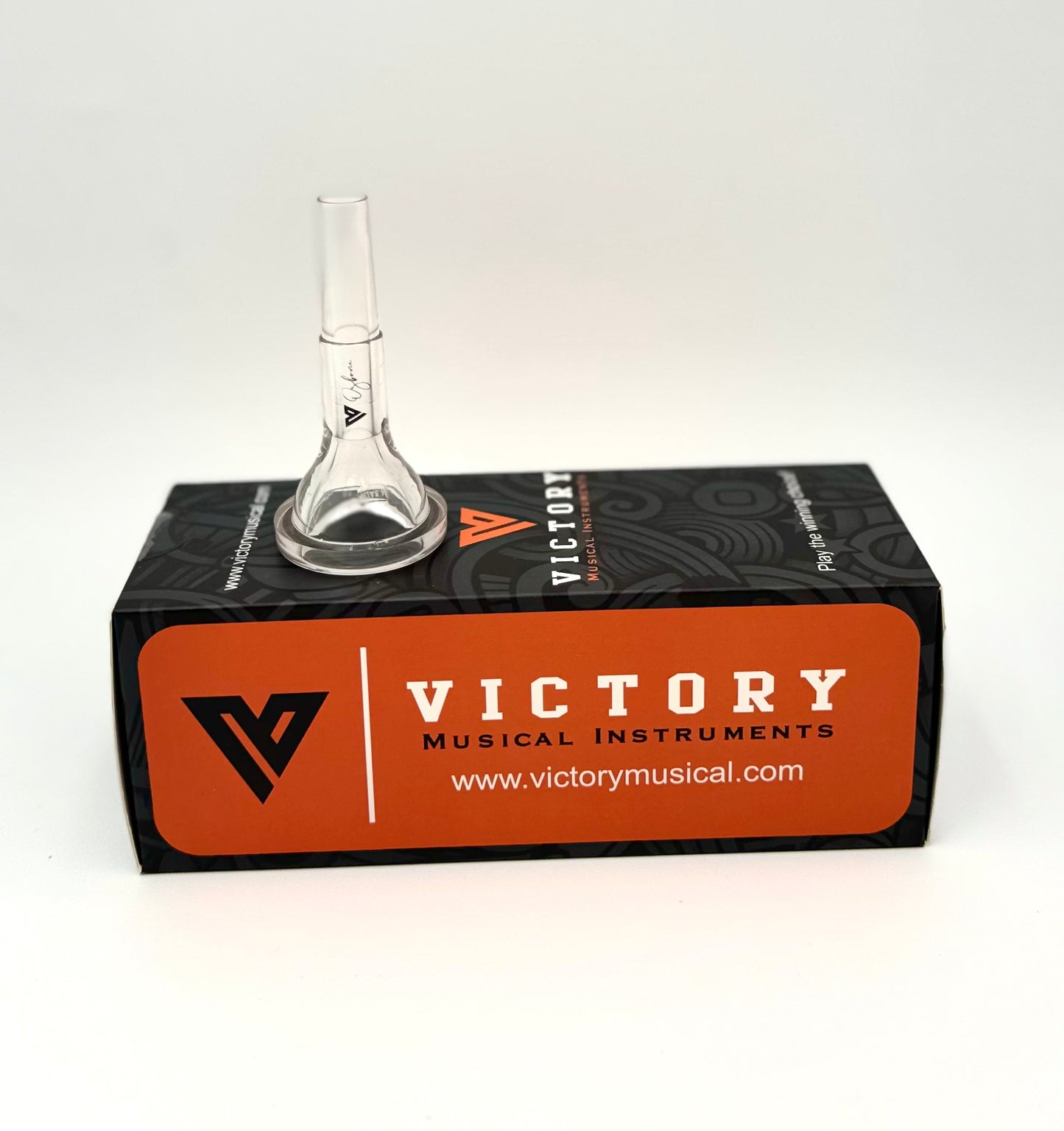
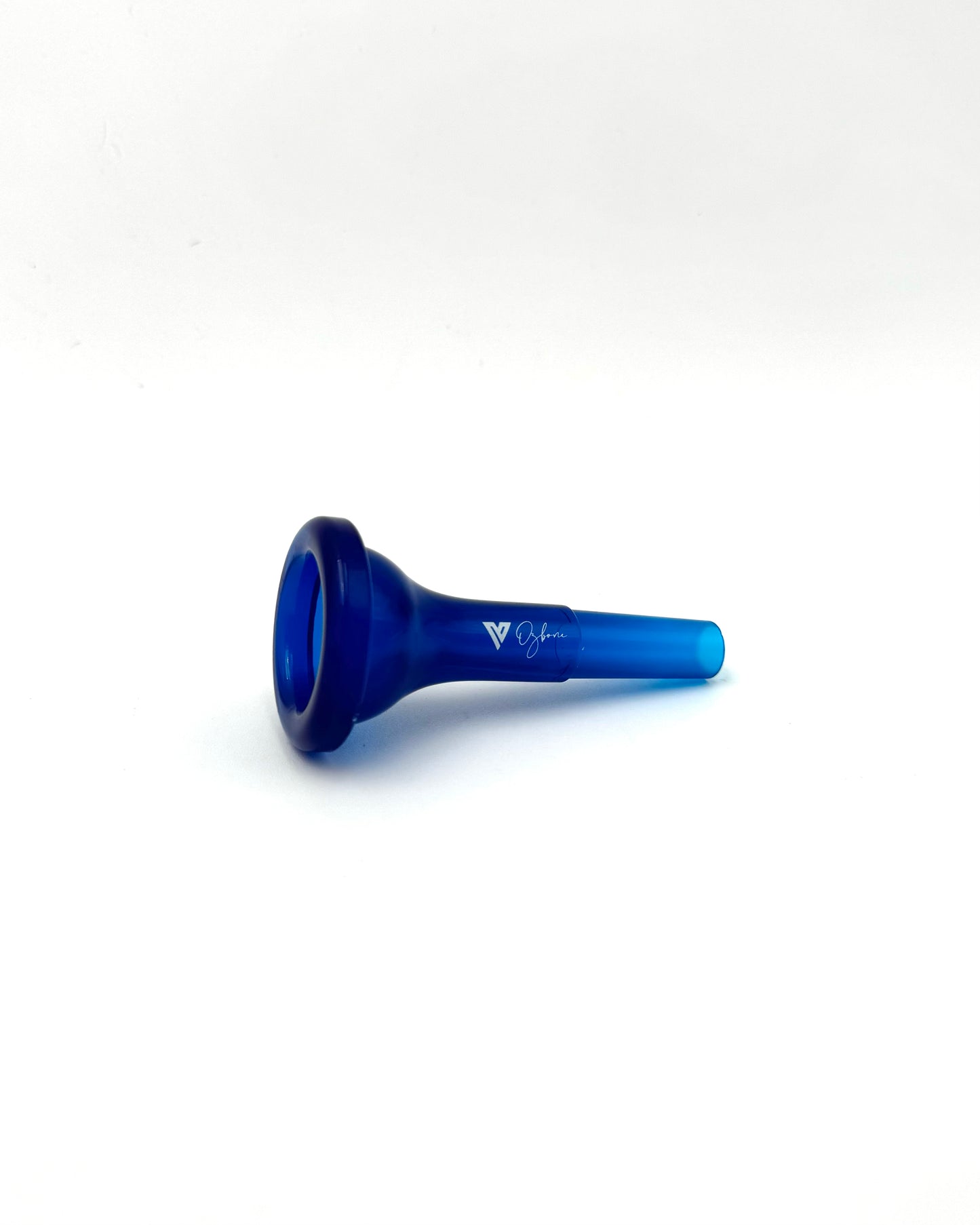
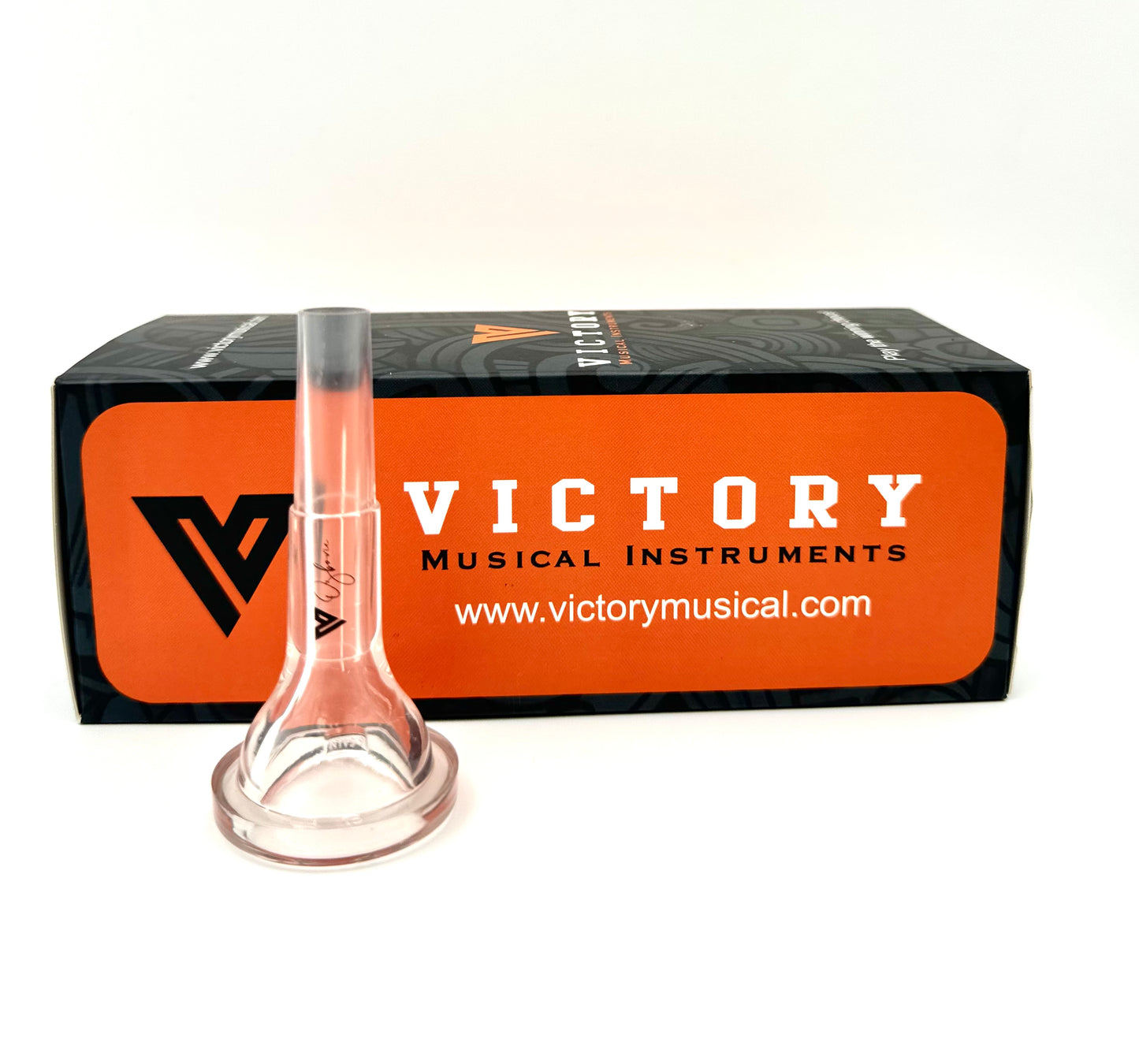
Ozbone Trombone Mouthpieces are trombone mouthpieces in the two standard sizes a school program actually uses, 11C in blue and 6.5AL in clear.
The two sizes that cover almost every student trombone part, in colours you can tell apart across a band room.
Mouthpieces disappear. They get swapped, dropped and left on stands, and a director who cannot tell an 11C from a 6.5AL at a glance loses time every rehearsal sorting it out. Colouring them solves that.
An 11C is the standard small shank student size, shallower and easier to produce a sound on. A 6.5AL is the standard large shank size, deeper, with a broader sound and more low register support. Most players start on an 11C and move to a 6.5AL when they move to a large bore horn.
| Sizes | 11C and 6.5AL |
| Colours | 11C in blue, 6.5AL in clear |
| 11C | Small shank, shallower cup, student and lead |
| 6.5AL | Large shank, deeper cup, section and low register |
| Built By | Victory Musical Instruments, Miami FL |
Which Size Should a Student Use?
An 11C on a small bore student trombone, which is what most beginners play. Move to a 6.5AL at the same time as moving to a large bore horn, usually around high school. Changing mouthpiece and instrument together is easier than changing one at a time.
What Is the Difference Between a Small and Large Shank?
The shank is the tapered end that goes into the receiver. Small shank and large shank are different diameters and are not interchangeable. A small shank mouthpiece in a large shank receiver will not seat and will wreck the intonation.
Why Are They Coloured?
So a director can identify a size across a room and so students stop taking each other’s. It is a practical feature for a band program rather than a cosmetic one.
| Sizes | 11C, 6.5AL |
| 11C Shank | Small |
| 6.5AL Shank | Large |